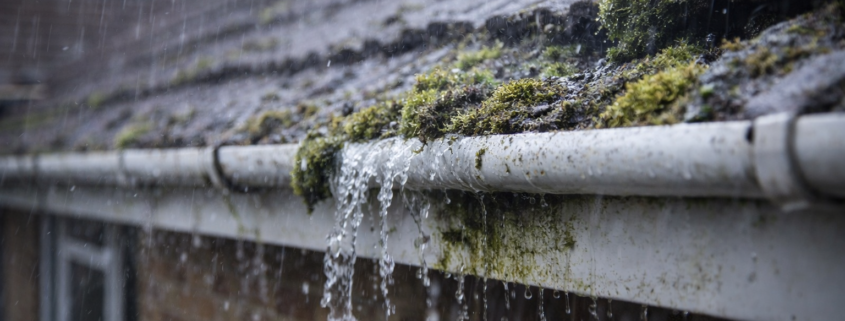
Seasonal Roof Moss Checklist for Sussex Homes

A Seasonal Roof Moss Checklist for Sussex: What to Check in Spring, Summer, Autumn and Winter

Sussex weather is perfect for moss. Mild temperatures, regular rain and shaded roof slopes mean moss spores can settle, feed and spread fast. The good news is you can catch most problems early with a simple seasonal routine.

This checklist is designed for homeowners in Sussex who want fewer blocked gutters, fewer surprises and a roof that stays in good condition without harsh cleaning methods.

Spring: the “damage check” season

Winter leaves behind the biggest clues.

Look for:

  • Green clumps along tile edges and in valleys

  • Debris washed down into gutters and downpipes

  • Dark staining on shaded slopes (often the north side)

  • Drips or overflow marks on fascias after heavy rain

Do this:

  • Walk the perimeter and use binoculars rather than climbing up

  • Check gutters during a rain shower if possible, overflow is a giveaway

  • Clear low-level gullies and the area around downpipe outlets

If you can see moss “thickening” rather than just a light dusting, removal is usually easier now than later in the year when growth accelerates.

Summer: the “prevention” window

Summer is a good time to plan maintenance because access is easier and surfaces dry more predictably.

Look for:

  • Moss regrowth lines where previous build-up was removed

  • Tile edges lifting slightly where moss has wedged underneath

  • Gutter seams separating under the weight of wet moss and debris

Do this:

  • Trim back overhanging branches (where permitted) to reduce shade

  • Keep patios and drives clear of wind-blown debris that ends up on the roof

  • Book a survey if moss is already established

A quality approach avoids blasting tiles with high pressure. Roofs are not designed to be pressure washed and aggressive washing can cause avoidable issues.

Autumn: the “blockage risk” season

Falling leaves plus existing moss is when gutters clog quickly.

Look for:

  • Green “crumbs” on paths and driveways after wind

  • Plants sprouting in gutters (a sign of trapped composting material)

  • Damp patches on exterior walls below gutter runs

Do this:

  • Clear gutters more frequently

  • Check for slow drains at downpipes

  • Watch for moss sliding down roof slopes during storms

If your house is mid-terrace or close to neighbours, moss and debris can travel. A tidy site and proper clean-down matters.

Winter: the “don’t ignore it” season

Moss holds moisture. When temperatures drop, that trapped moisture can contribute to frost stress on roof surfaces over time.

Look for:

  • Persistent wet-looking patches on roof slopes

  • Overflowing gutters during heavy rain

  • Interior signs like damp smells in loft spaces

Do this:

  • Avoid DIY roof work in winter conditions

  • Use ground checks only and document changes with photos

  • Plan a spring visit if you see thick moss mats

When it’s time to call in a professional

If moss is visible from the street, or gutters are repeatedly blocking, you’re usually beyond “monitoring”. A safe process focuses on removing moss without harsh pressure washing, then applying a chemical treatment designed to get down to the spores for longer lasting protection.

If you’re in Worthing, Crawley, Bognor Regis, Littlehampton, Shoreham-by-Sea, Horsham, Haywards Heath, Burgess Hill and surrounding towns, you can arrange a free survey and quote via 01903 773808 or 07511 529068.

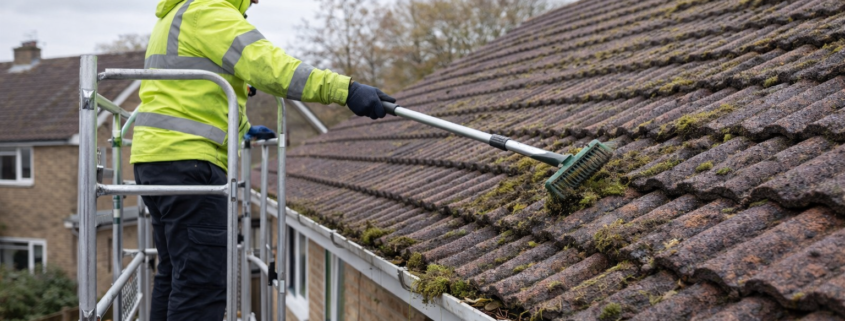
No Pressure Washing: The Safer Way to Remove Roof Moss

Why We Don’t Pressure Wash Roofs: A Safer Moss Removal Method for Sussex

If you’ve searched for roof moss removal in Sussex, you’ve probably seen companies offering “quick results” with pressure washing. It looks dramatic, but it isn’t always the best choice for your roof.

At Moss Removal Sussex, the message is simple: we don’t pressure wash your roof. Roofs aren’t designed to be pressure washed, and there’s no need to use high powered washing to do a first class job of removing and treating moss, algae and lichen.

Here’s why that matters and what a safer approach looks like.

What pressure washing can do to a roof

Every roof is different, but common risks from aggressive washing include:

  • Forcing water where it shouldn’t go (around laps, edges and junctions)

  • Disturbing older or more porous tile surfaces

  • Dislodging pointing and mortar at ridges and verges

  • Creating a “clean today, regrow tomorrow” cycle if spores aren’t treated

The biggest issue is that pressure washing often focuses on what you can see, not what you can’t. Moss is the visible problem. Spores are the invisible one.

The goal is removal plus protection

A proper moss removal job is not just “making it look better”. It’s about:

  • Clearing moss so it stops trapping moisture on the roof surface

  • Preventing that moss from shedding into gutters and downpipes

  • Treating the spores so regrowth slows down significantly

Moss Removal Sussex highlights the importance of chemical treatment for long lasting protection and products that “kill the spores” rather than only attacking surface growth.

What a safer moss removal process looks like

While every property needs a quick assessment for access and roof condition, the general approach is:

1) Inspection and planning
Identify the worst affected slopes (often shaded areas) and check where moss is falling, usually into gutters, onto patios and into valleys.

2) Controlled moss removal
Use purpose-adapted brushes and proven brushing methods rather than “short cuts”.
The aim is to remove moss steadily, control debris and protect the roof’s character.

3) Clean-down and site tidy
A good team doesn’t just do the roof then leave the mess. Moss and debris should be cleared from gutters, surrounding areas and any affected surfaces.

4) Treatment to help stop regrowth
This is where long-term results come from. A treatment designed to get down to spores gives longer lasting protection than “appearance-only” cleaning.

Why homeowners in Sussex choose a non-pressure approach

Sussex homes range from older cottages to modern estates, and roofs vary in tile type and age. A non-pressure approach is popular because it’s:

  • Less aggressive on roof surfaces

  • Focused on prevention, not just visuals

  • Better suited to roofs where preserving original character matters

If you’re considering roof moss removal

If your roof is shedding moss onto paths, blocking gutters or looking patchy and green, it’s usually cheaper to act early than to wait until problems cascade.

Moss Removal Sussex covers towns across the county including Worthing, Crawley, Bognor Regis, Littlehampton, Shoreham-by-Sea, Horsham, Haywards Heath, Burgess Hill and more.
For a free survey and quote, call 01903 773808 or 07511 529068.

The Hidden Costs of Roof Moss

Roof Moss Isn’t Just Ugly: How It Leads to Blocked Gutters, Damp and Costly Repairs

Moss on a roof is easy to ignore. It starts as a thin green patch, usually on the shaded side, and it doesn’t look urgent. Then one day you notice gutters overflowing, green debris on the patio and staining on walls.

Roof moss is not just cosmetic. It’s a maintenance issue that can trigger other problems if it’s left to thicken and spread.

1) Moss traps moisture against the roof

Moss acts like a sponge. In damp Sussex conditions, that moisture can sit on the surface longer than it should. Over time this can contribute to general wear and create conditions where more growth takes hold.

2) Moss blocks gutters and downpipes

The most common “chain reaction” is simple:
moss builds up → wind and rain dislodge it → it slides into gutters → gutters block → water overflows.

Overflowing gutters can cause:

  • Water tracking down brickwork and rendering

  • Damp patches around window reveals

  • Rot risk on fascia boards

  • Water pooling at foundations in heavy rain

If you keep clearing gutters and they keep blocking, the roof is often the source.

3) Moss can lift at tile edges

As moss thickens, it can wedge itself into gaps and at tile edges. That’s when you start seeing uneven lines and thicker clumps that don’t just “wash away”.

4) Kerb appeal and property perception

Even if your roof is structurally fine, heavy moss makes a property look tired. If you’re thinking of selling, it can raise questions in a buyer’s mind about “what else has been neglected”.

Why removal method matters

When homeowners finally act, they often look for the fastest option. The trouble is that quick can become costly if the method is too aggressive.

Moss Removal Sussex is clear about this: no pressure washing. Roofs aren’t designed to be pressure washed and there’s no need for harmful high powered washing to remove and treat moss, algae and lichen.

A safer approach focuses on:

  • Removing moss in a controlled way

  • Tidying debris properly

  • Applying a treatment that targets spores for longer lasting protection

When should you book a roof moss survey?

Consider a survey if:

  • You can see moss from ground level

  • Your gutters overflow in normal rain

  • You’re finding green debris on paths and drives

  • Your roof has heavy shading from trees

  • You’ve had repeat gutter blockages over the last 12 months

A practical next step for Sussex homeowners

If your roof is showing obvious moss build-up, getting a survey now is usually cheaper than waiting for secondary issues like damp or gutter repairs.

Moss Removal Sussex is part of the Phoenix Cleaning Sussex group and covers towns across Sussex including Worthing, Crawley, Bognor Regis, Littlehampton, Shoreham-by-Sea, Horsham, Haywards Heath, Burgess Hill and more.
For a free survey and quote, call 01903 773808 or 07511 529068.

How to Keep Moss Off Your Roof for Longer

How to Prevent Roof Moss Regrowth in Sussex: Practical Steps and Long-Lasting Treatments

Removing roof moss feels like a win, but homeowners often ask the next question immediately: “How do I stop it coming back?”

In Sussex, moss regrowth is common because conditions are ideal: moisture, shade and mild temperatures. Prevention is about reducing the conditions moss loves and using a treatment approach that targets spores, not just surface growth.

Why moss comes back

Moss spreads by spores. Even if you remove visible clumps, spores can remain and settle again, especially in shaded or north-facing areas.

That’s why Moss Removal Sussex emphasises a process that includes chemical treatment for long lasting protection and products that “kill the spores” to help stop regrowth.

Practical steps that reduce regrowth

You can’t control the weather, but you can reduce moss-friendly conditions.

1) Reduce shade where possible
If trees overhang your roof, you’ll typically see more moss on that side. If you’re allowed to trim branches, improving airflow and light can make a noticeable difference.

2) Keep gutters flowing
Full gutters hold damp debris, and damp encourages growth. Regular gutter checks, especially in autumn, help prevent the roof becoming a “moss factory” that feeds blockages.

3) Clear roof-line debris
Leaves and silt collect in valleys and behind chimneys. Those pockets stay damp and become ideal for growth.

4) Watch the “north side”
If you only check your roof from the front, you can miss the worst slope. Walk around the property and look for early green patches.

Why “treatment” matters after removal

The difference between “looks clean” and “stays clean” is usually treatment.

A good treatment strategy does two things:

  • Deals with what’s left behind after removal (spores and microscopic growth)

  • Slows down the return of moss so the roof stays cleaner for longer

Moss Removal Sussex describes products that don’t just kill the surface problem but get down and kill spores for a longer lasting outcome.

Avoid the temptation to pressure wash

Pressure washing can remove moss quickly, but it’s not always aligned with long-term prevention. Moss can return fast if spores remain and aggressive washing can create other issues you didn’t have before.

Moss Removal Sussex is explicit: we don’t pressure wash your roof and the Phoenix system is designed to clean while preserving the look and original character of the roof.

A simple maintenance rhythm that works

For most Sussex homes, a sensible rhythm looks like this:

  • Spring: visual check, photo the roof slopes, check gutters after heavy rain

  • Autumn: clear gutters and downpipes, check shaded slopes for thickening growth

  • As needed: book a survey when moss becomes visible from ground level

Book a survey if you want the “right method” for your roof

Different roof types and access situations need slightly different handling. The safest next step is usually a quick survey and quote, especially if you’re seeing thick moss mats or repeat gutter issues.

Moss Removal Sussex covers Worthing, Crawley, Bognor Regis, Littlehampton, Shoreham-by-Sea, Horsham, Haywards Heath, Burgess Hill and many more Sussex towns.
For a free survey and quote, call 01903 773808 or 07511 529068.